Subscription Model - XBIZ Magazine Interview
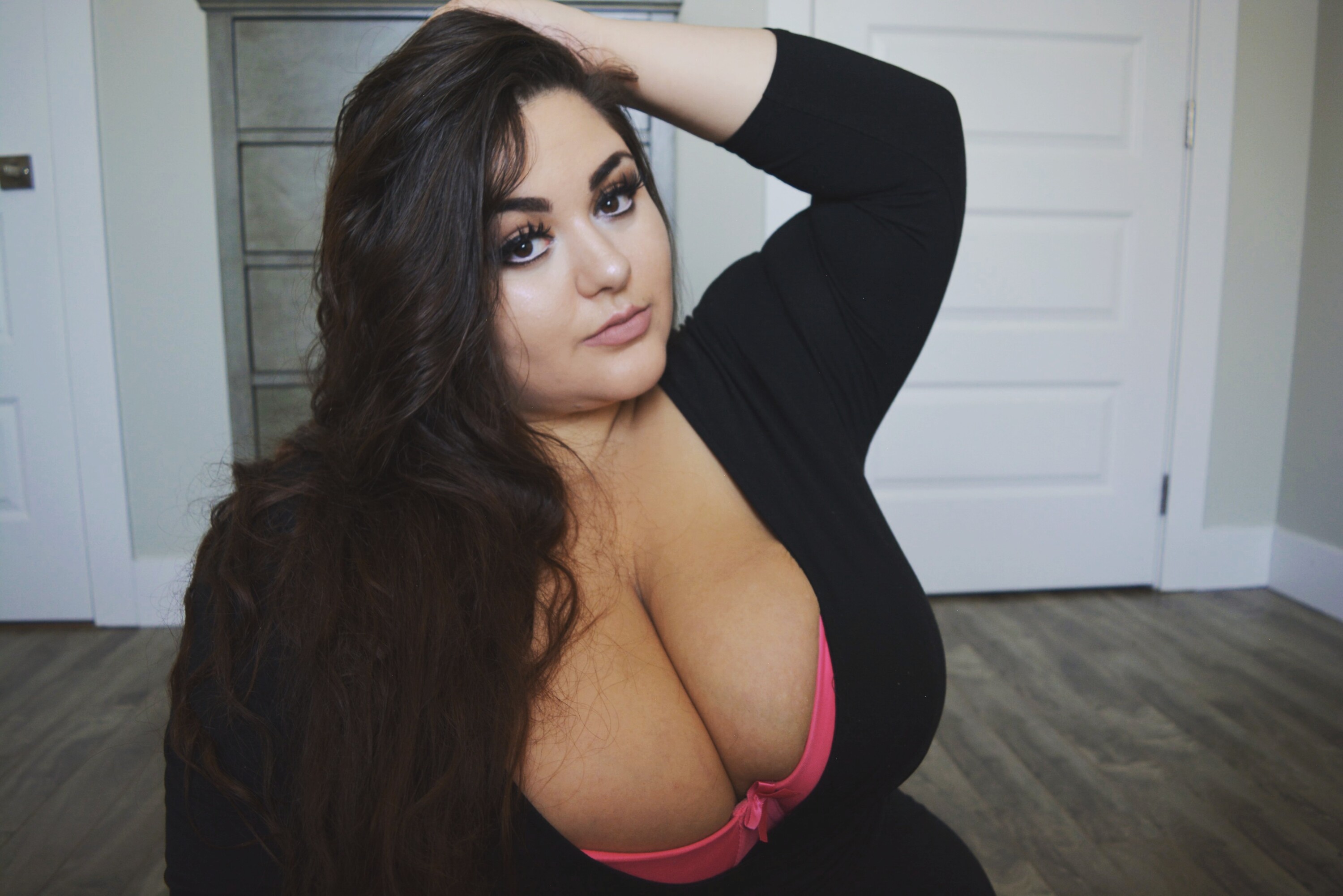

I was asked to participate in a story XBIZ was putting into their Magazine. I'm always so honored to talk with XBIZ and share my thoughts and experiences on the industry. I'm usually quoted in these articles, but I like to share my full answers here on my blog for you to read.
You’ve experienced the fan-platform market through several stages of its evolution. How has building a successful creator business changed since the initial subscription-platform boom?
I think one of the earlier examples of subscription platforms, started with a non-industry platform, that being Snapchat. It proved the subscription model was not only successful, and relatively easy to manage, but also lucrative. There was so much novelty and curiosity that simply being active on the right platform could bring a lot of attention. But you have to know and understand your platform, what it does and doesn’t offer. Some subscription based platforms only reward bringing your own audience (like OnlyFans) meaning there isn’t an internal account browsing or search option, which really established a gap between people with smaller platforms, and those with larger ones. For creators with smaller audiences, finding success in the subscription-based platform was more difficult especially with the shadow banning and policing/banning of social media accounts. Building a successful creator brand has always meant that creators have to think about branding, marketing in a sensitive social media policy climate, customer retention, expanding their reach with multiple income streams, and content protection. But one of the main skills has been and will likely always be adaptability. You can’t be too comfortable on any one platform because traffic, policies, ownership and visibility can change so quickly. I think the creators who have been able to stay successful are the ones who learned how to adapt. It doesn’t mean you have an active account you need to manage on every platform, but deciding with discernment which one best fits your business model, and which ones will reward activity with more reach.
Which revenue streams and promotional strategies are having the greatest impact on your business today, and how do you decide where to invest your time?
Right now, the biggest impact comes from having multiple revenue streams rather than relying on one platform or one type of sale. Subscriptions are still part of the business, but direct fan interaction, custom content, messaging, video calls, individual content sales, and live streaming can all be significant. I have found that the more personalized or interactive parts of the business often have a higher value because fans are paying for access, attention, and a more individual experience, not just the content itself. But subscription clubs and content are great passive income sources! If your content can be available across platforms earning you money while you focus on the individual orders and connections things really start to flow. That’s why I'm really excited to start working with ModelPlug, because improving and streamlining the upload process feels necessary. Uploading on every individual site the way things are set up now feels so outdated, and tools like ModelPlug will save all creators a lot of time, being able to upload in one place and have it posted across several platforms is going to make a huge difference, especially for smaller creators without agencies, and creators who are sitting on a pile of content that is only mostly on one or two sites.
For promotion, social media is still incredibly important, but I try to look at it as building visibility and familiarity rather than expecting every post to immediately convert into a sale. I want people to recognize me, understand my personality, and have multiple opportunities to find my paid platforms.
When deciding where to invest my time, I pay attention to both income and momentum. Something can make money, but if it requires an unrealistic amount of energy to maintain, it may not be the best long term strategy. I tend to prioritize the things that are currently converting well, the platforms where I am seeing increased visibility, and content that I can create once and monetize in multiple ways. At this stage of my career, I am much more conscious of working smarter with the audience and content I already have instead of feeling like I constantly need to create more.
What do creators need most from fan platforms to build sustainable careers, and how do you expect the landscape to evolve over the next few years?
Creators need stability, transparency, and tools that actually support long term growth. That means clear policies, reliable payouts, strong content protection, useful analytics, good discovery features, and communication when major changes are happening. Creators are building real businesses on these platforms, so being able to trust the infrastructure matters just as much as having a place to upload content!
I also think platforms need to give creators more ownership over their audience. One of the biggest risks in this industry is building your entire business somewhere and then losing visibility because of an algorithm change, a policy update, or a shift in platform priorities. The strongest platforms will be the ones that help creators build genuine relationships with fans instead of keeping creators completely dependent on internal traffic. You need to be able to reach your audience in impactful ways.
Over the next few years, I expect the landscape to become even more diversified. I think creators will continue moving away from relying on one subscription page and toward a mix of subscriptions, direct messaging, live interaction, custom content, individual sales, and other personalized experiences. Most established creators are on multiple platforms already. I also think fans are going to expect more connection and personality, because there is so much content available now, and they are skeptical about chatbots and agencies and chatters. These aren’t tools I rely on personally because of how much I value connection in my business model. If I’m talking to a fan in my DMs on a sexting site, or my subscription inbox, and that customer visits my live stream, I need to be able to bring up things we talked about, ask personal questions, and let them know I remember and care. And I can’t do that with someone else in my inbox, and that’s not the kind of “caught with my pants down” I want to experience.. haha
Ultimately, I think the platforms that succeed will be the ones that recognize creators as business partners rather than just content suppliers, and really value that. Creators want flexibility, control, security, and the ability to grow something sustainable that can survive changes in trends and technology. And we need better, more intuitive tools for making our jobs more efficient.
Looking ahead over the next two to three years, how do you expect the fan-platform landscape to evolve, and how are you preparing for those changes?
Over the next two to three years, I think the fan platform space is going to become even more competitive and more fragmented. Creators are already learning that relying on one platform is risky. And even though using an AI chatbot, or Agency can make your job easier, it’s not necessarily the best for your brand, when your customers are relying on a connection to you. Fans want more interaction and more personalized experiences. And of course, the age verification laws are tightening, which can make fans a little nervous connecting their real identification to their online sexual kinks, so we are heavily relying on platforms to ensure that information is safe.
There is so much content available now that simply posting is not always enough to stand out. Messaging, live interaction, custom content, and the very underrated art of community building are essential. For me, preparing for that means continuing to diversify where my income comes from, strengthening my presence across multiple platforms, and paying close attention to where I am actually seeing engagement and conversions. On my website, which I use as a landing for my community, so they can see what is new and happening this month both inside and outside of work, see fan art displayed, read blogs, and learn about my “Destiny” brand lore, and most importantly which platforms I am prioritizing and easiest to be reached on.
I think adaptability is and will always be one of the biggest advantages a creator can have. Platforms, technology, and fan behavior will keep changing, so I want my business to be flexible enough that I can move with those changes instead of being dependent on one specific model.



Comments